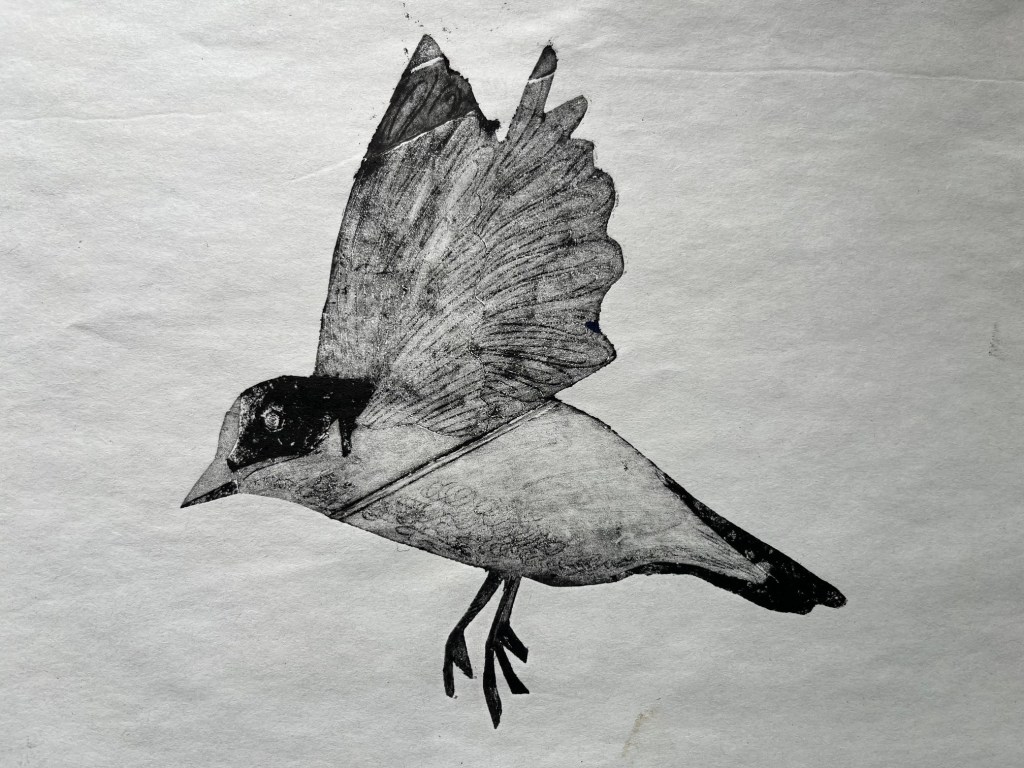
The Quantock Hills are home to an extraordinary array of wildlife all year round, and in the summer months the landscape also welcomes a wonderful array of migratory birds from many different areas of Africa, including Swifts, Swallows, Pied Flycatchers and Nightjars!
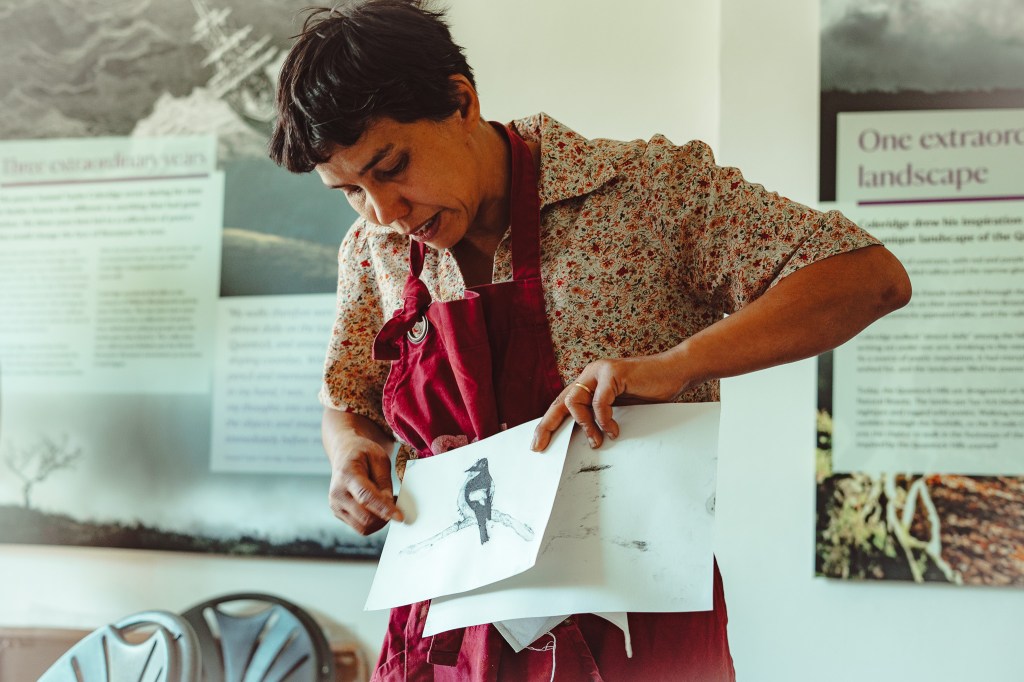
Have a listen to Jon Barrett from Quantock Hills National Landscape telling us about some of the species found on the Hills, and why they have become an inspiring theme for our Nature Calling project.
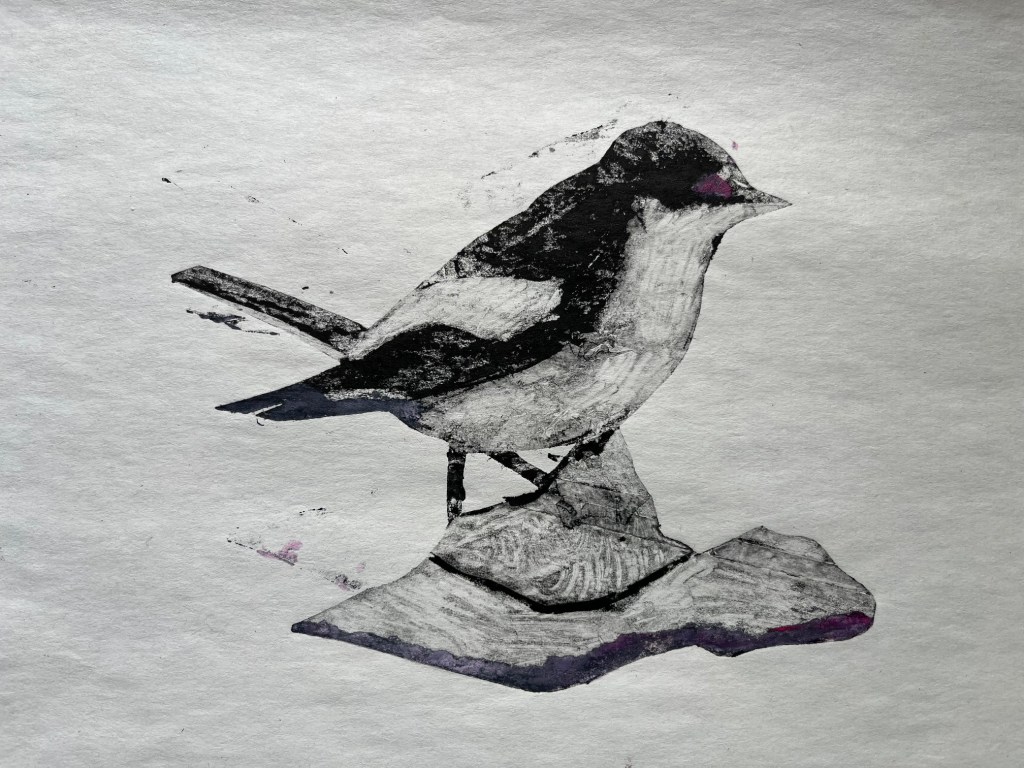
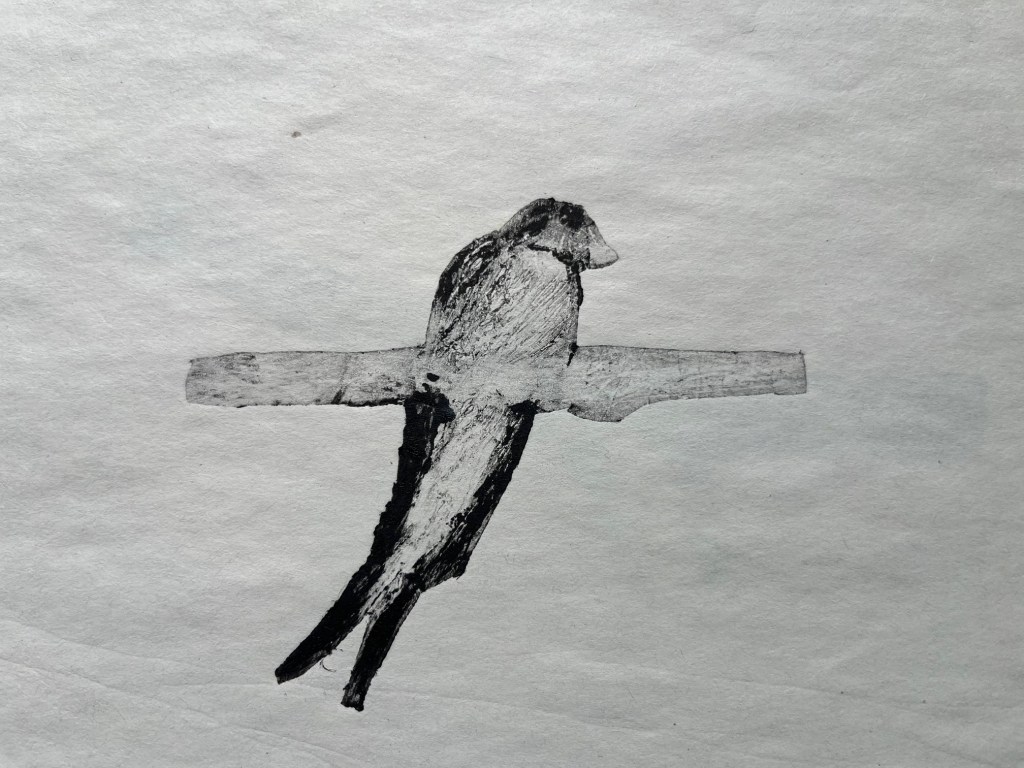
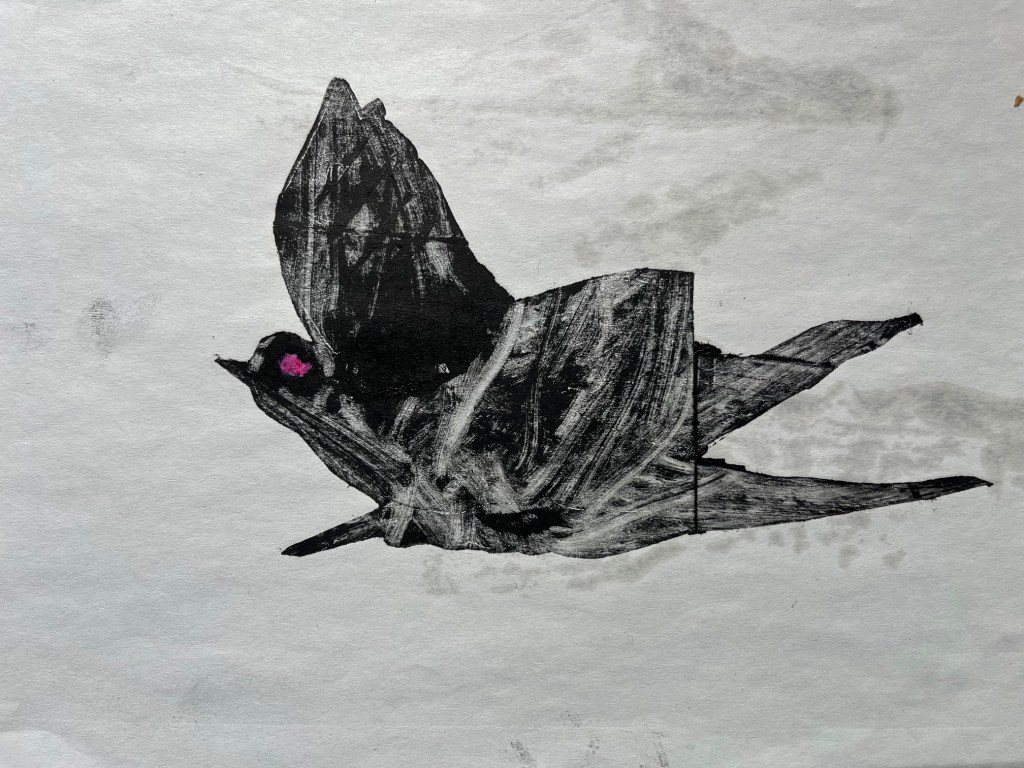
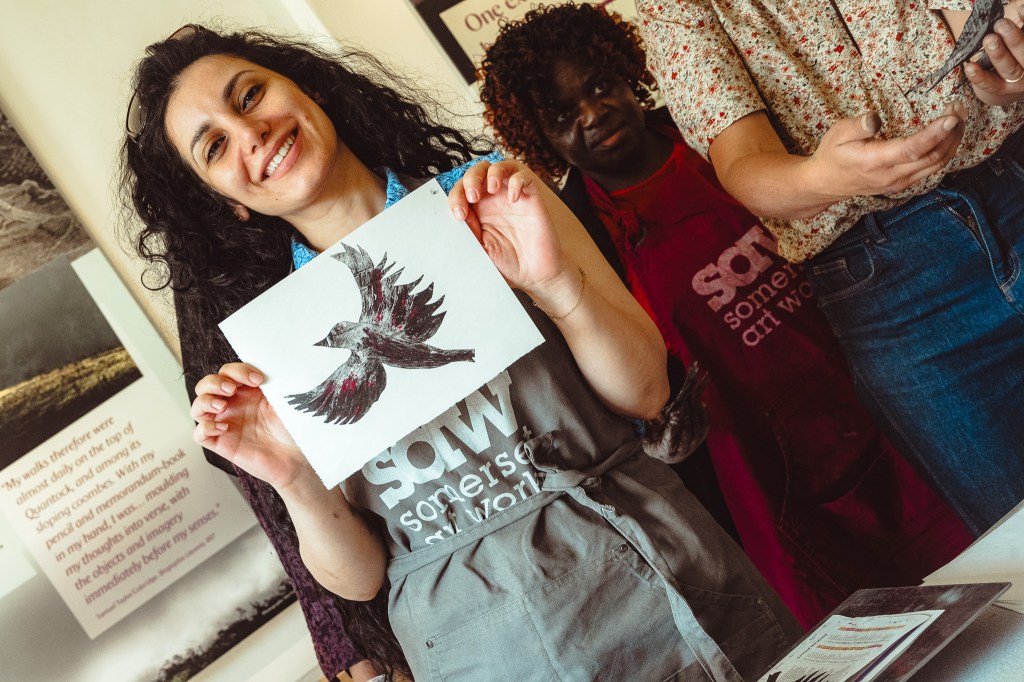
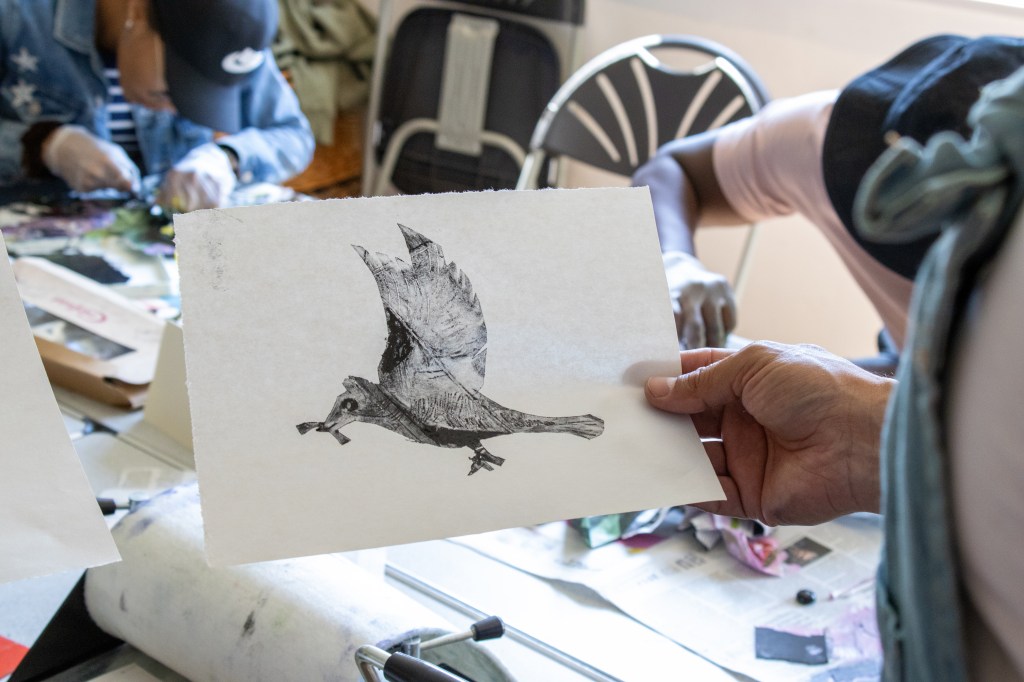
Bird images from our group workshop, May 2025
About the birds
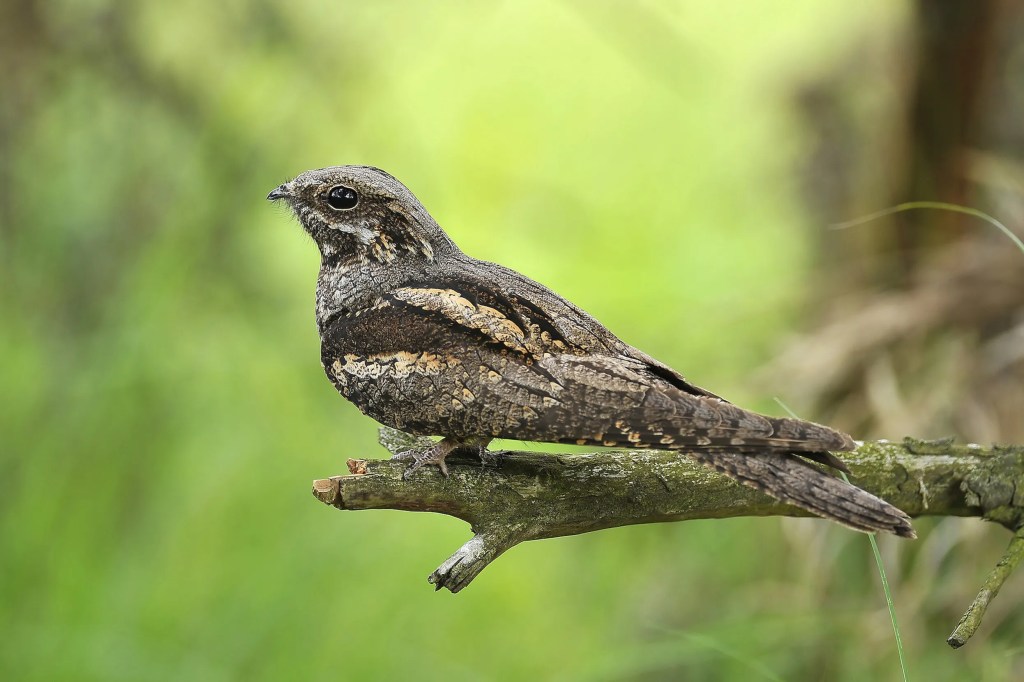
Nightjars
Nightjars are nocturnal birds and can be seen hunting for food at dusk and dawn. They have pointed wings and long tails, similar to the Kestrel. Most come to the UK in April – May time from the scrub grasslands of the Democratic Republic of Congo, covering a distance of approximately 6,500km. They stay in the UK until September the autumn when the weather begins to turn. Check out our last blog post ‘Session 1: Cyanotypes and Tetra-Pak Printmaking‘ to hear Jon reading an excerpt about Nightjars and their associated folklore.
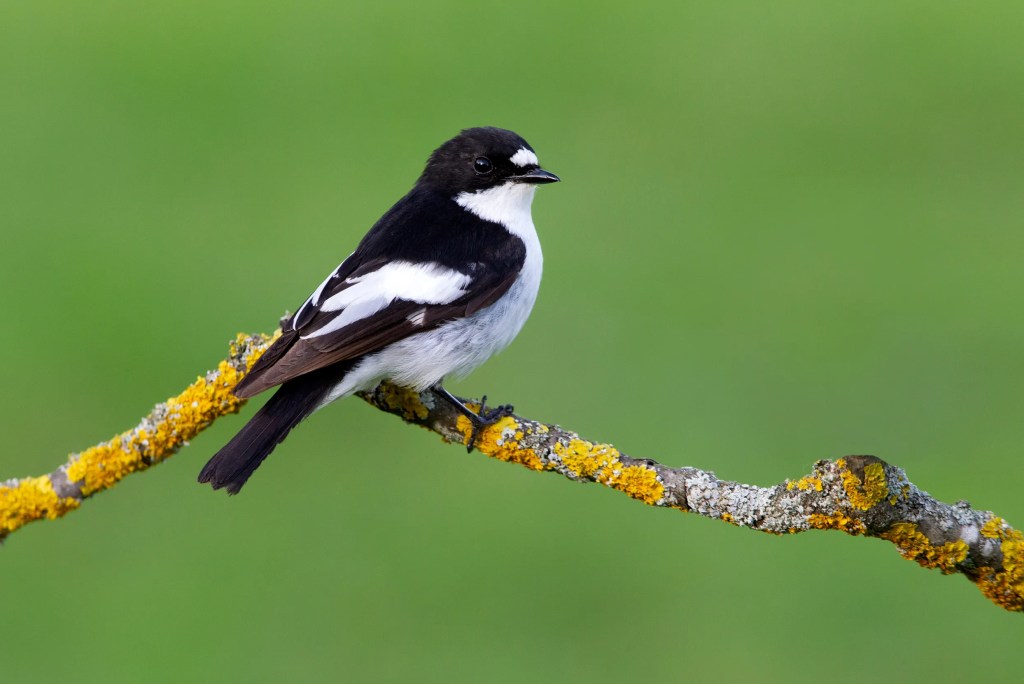
Pied Flycatchers
The Pied Flycatcher spends its winter in West Africa, and the summer here in the UK, flying approximately 8,000km each way. They’re small, flycatching birds that feed off of insects and caterpillars, and some fruits and seeds later in the summer. The male is mostly black on the upperparts and white underneath with a bold white patch on their wing. The female is browner in tone.
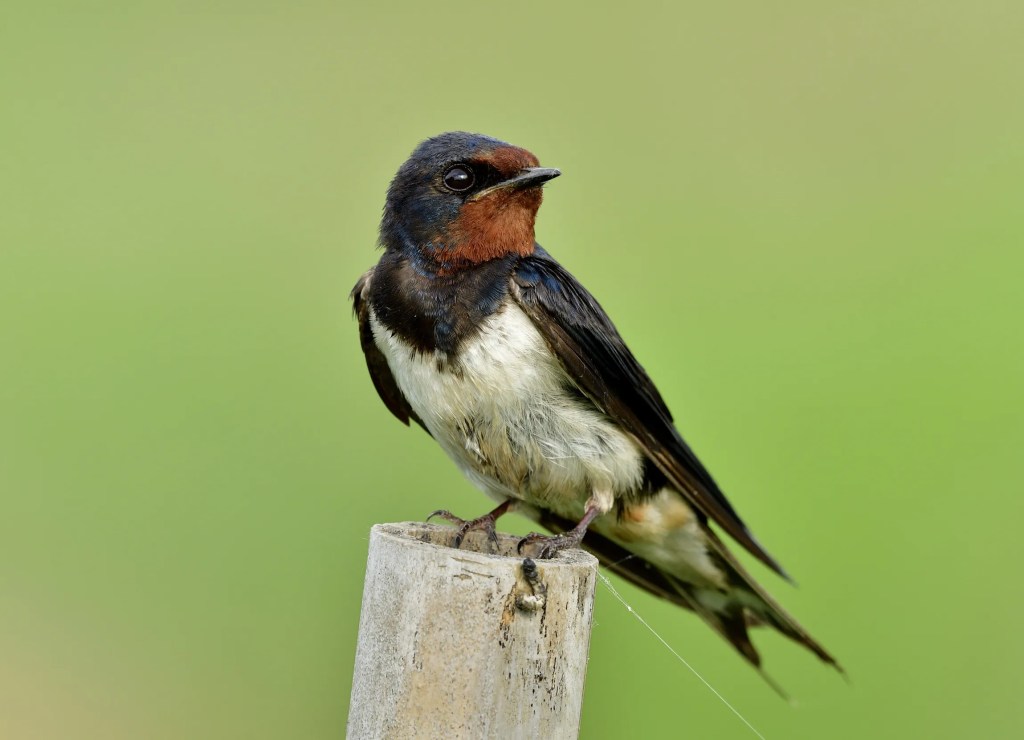
Swallows
Swallows are countryside lovers where flying insects are plentiful. Spending most of their time in the air, they’re extremely agile in flight. They can be easily mistaken for Swifts or House Martins, but they have a glossy blue-black head and back with a red throat and pale underside. In the winter months they will return to South Africa and Namibia, covering approximately 8000km. Swallows can travel an average of 322km a day, flying almost non-stop, meaning they could reach their destination in 40 days.
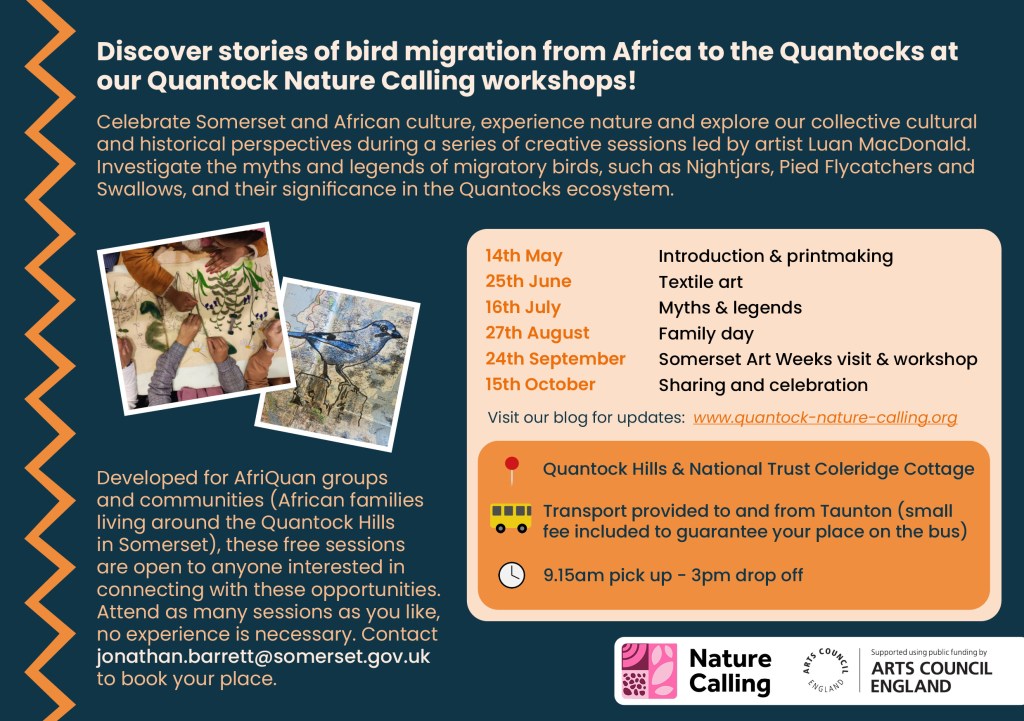
Spaces available at our next workshops, running monthly until October 2025 – click here to find out more

 Quantock Nature Calling